Rigid box structures
Lid and base, shoulder-neck, telescoping: what actually changes
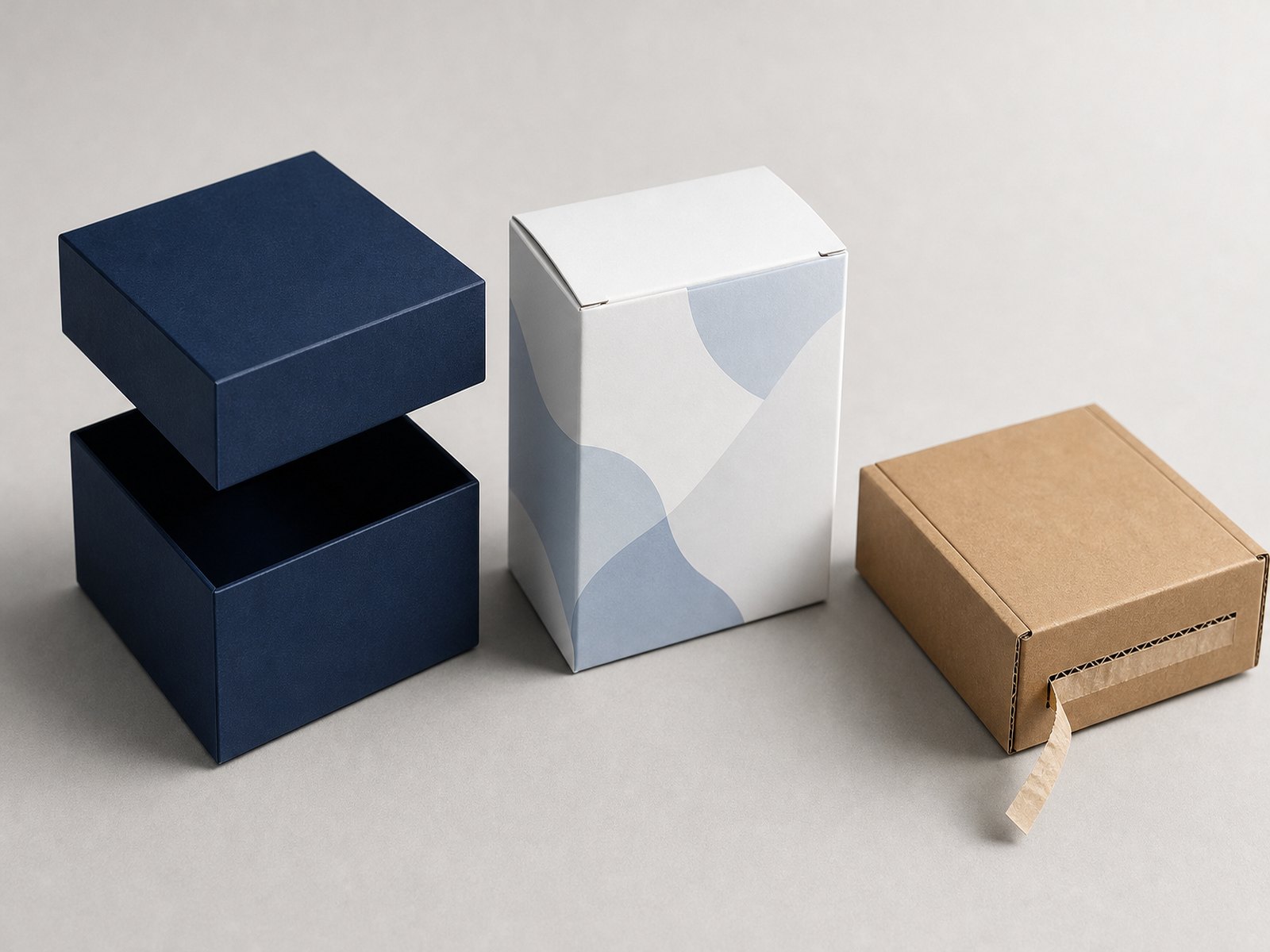
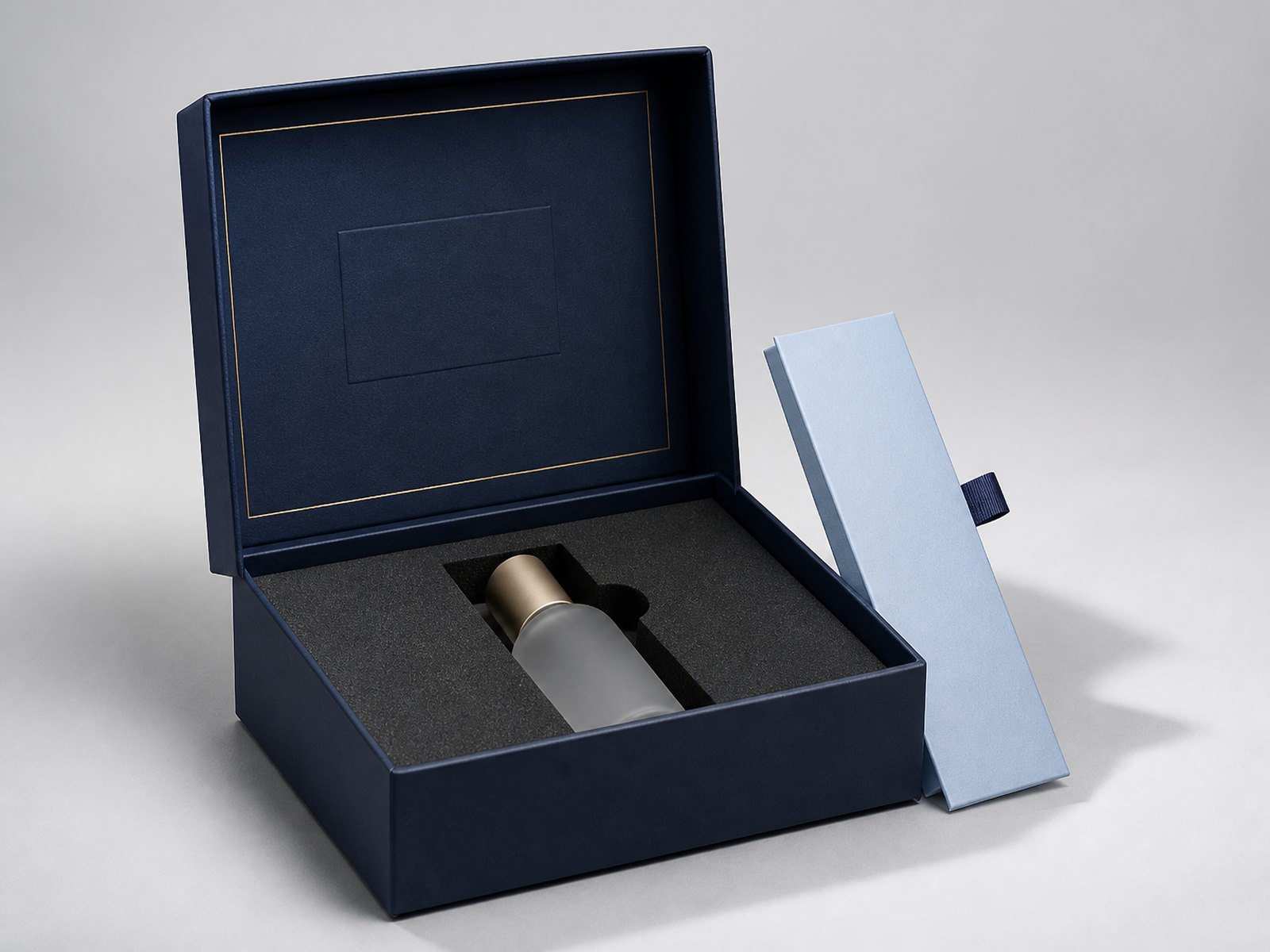
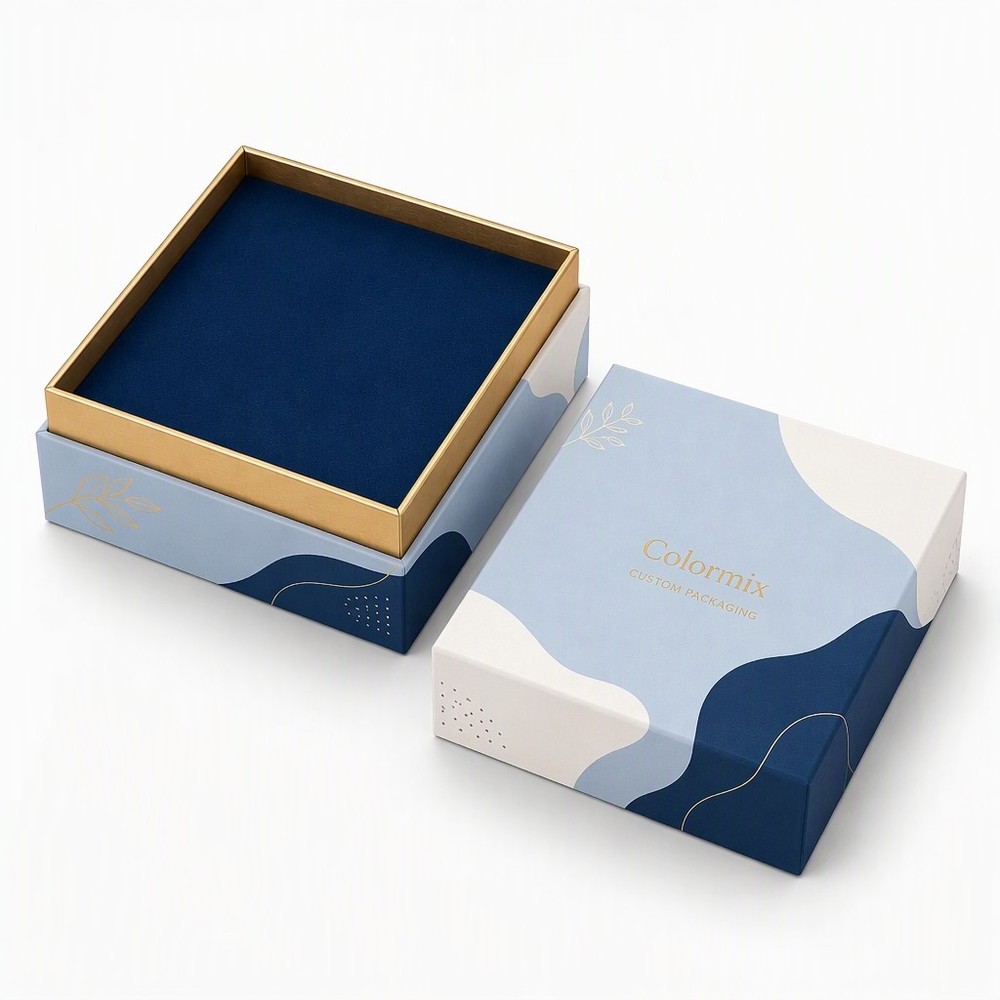
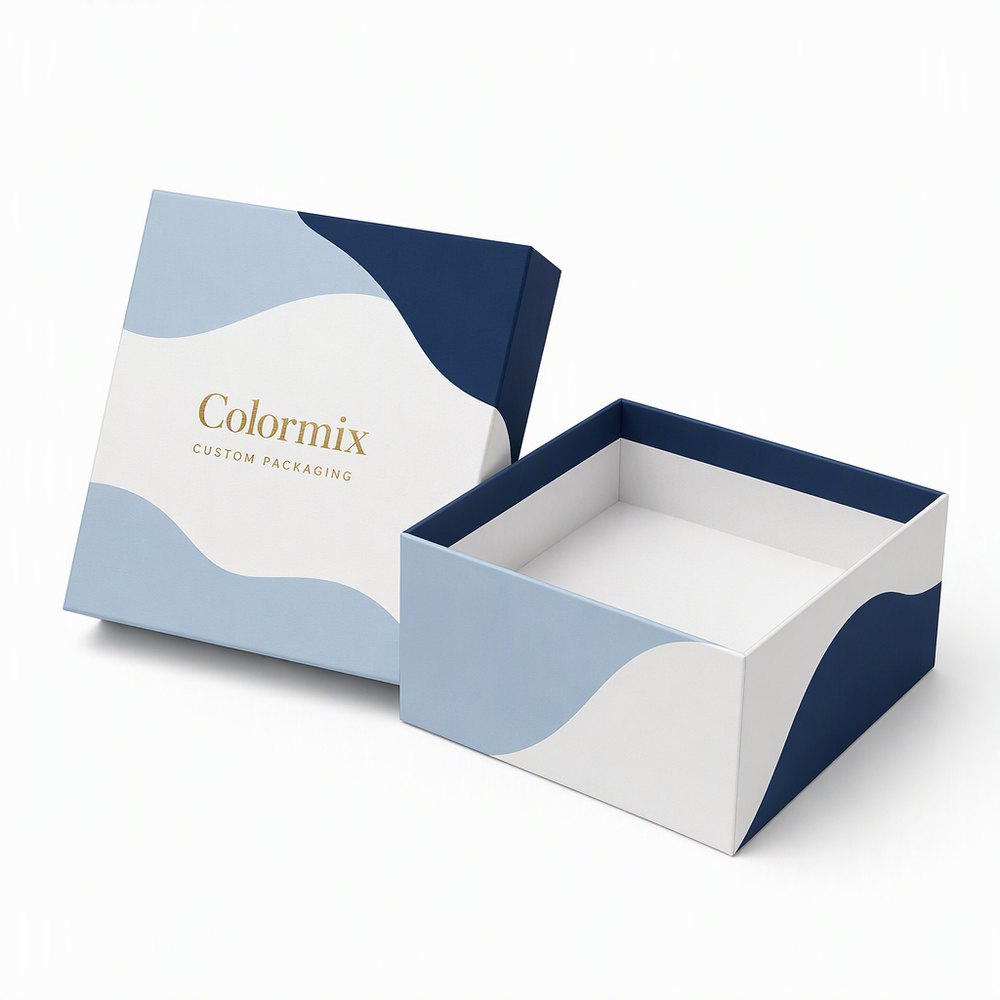
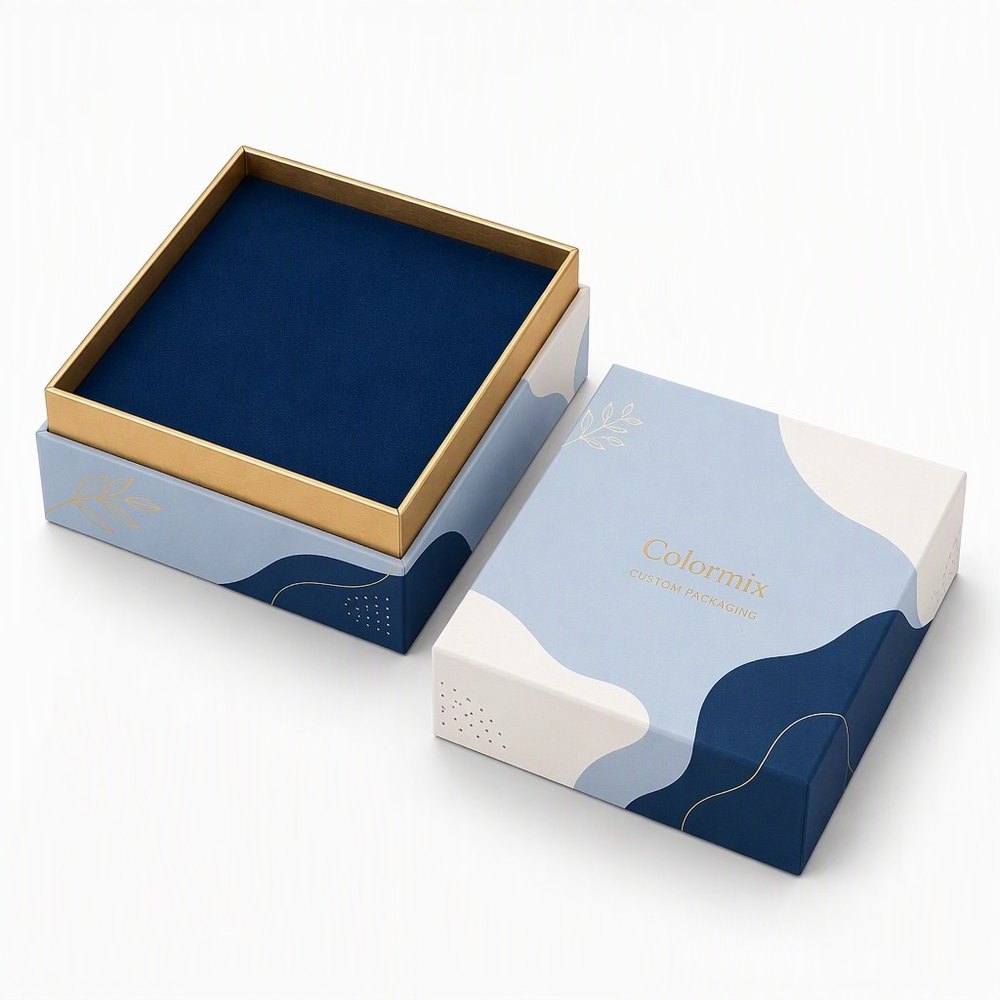
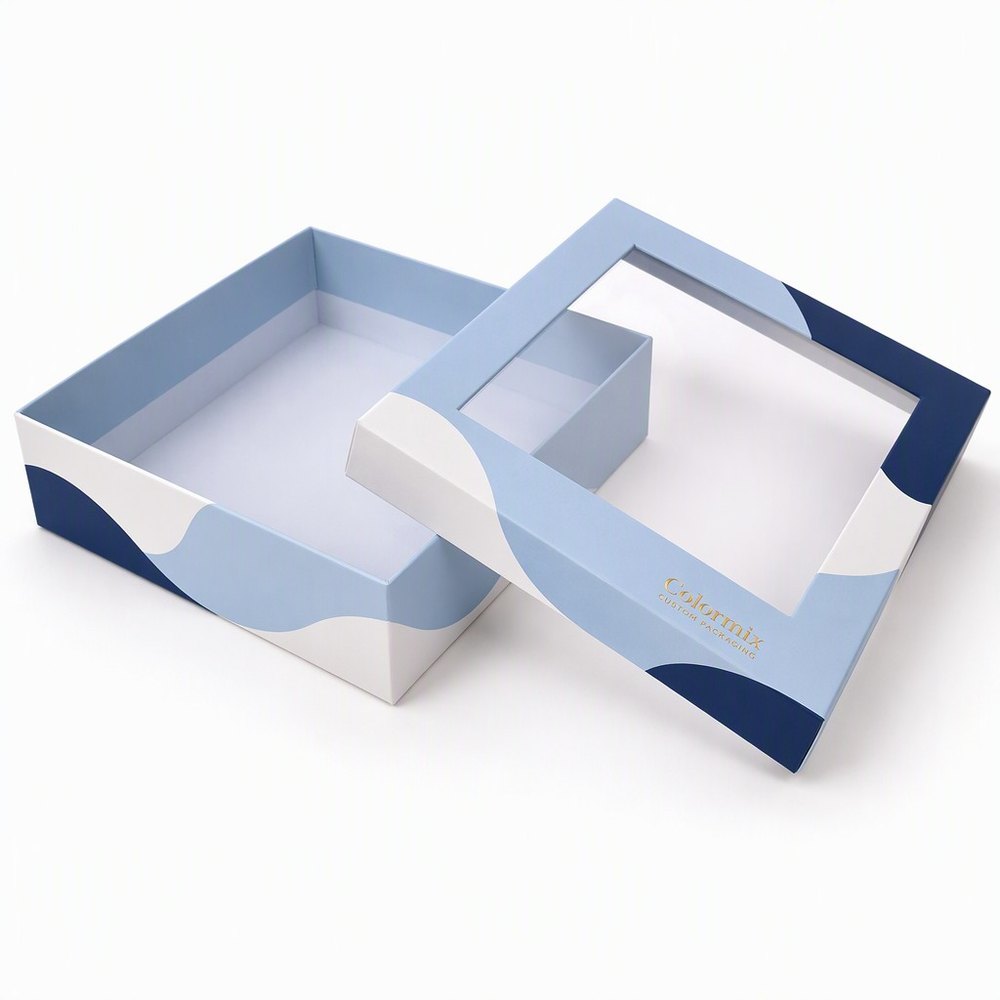
Every rigid box — also called a set-up box, hard box or luxury gift box — starts the same way: greyboard wrapped in printed paper, with the board thickness deciding how heavy the box feels in the hand. What separates the structures is only how the lid and the base meet.
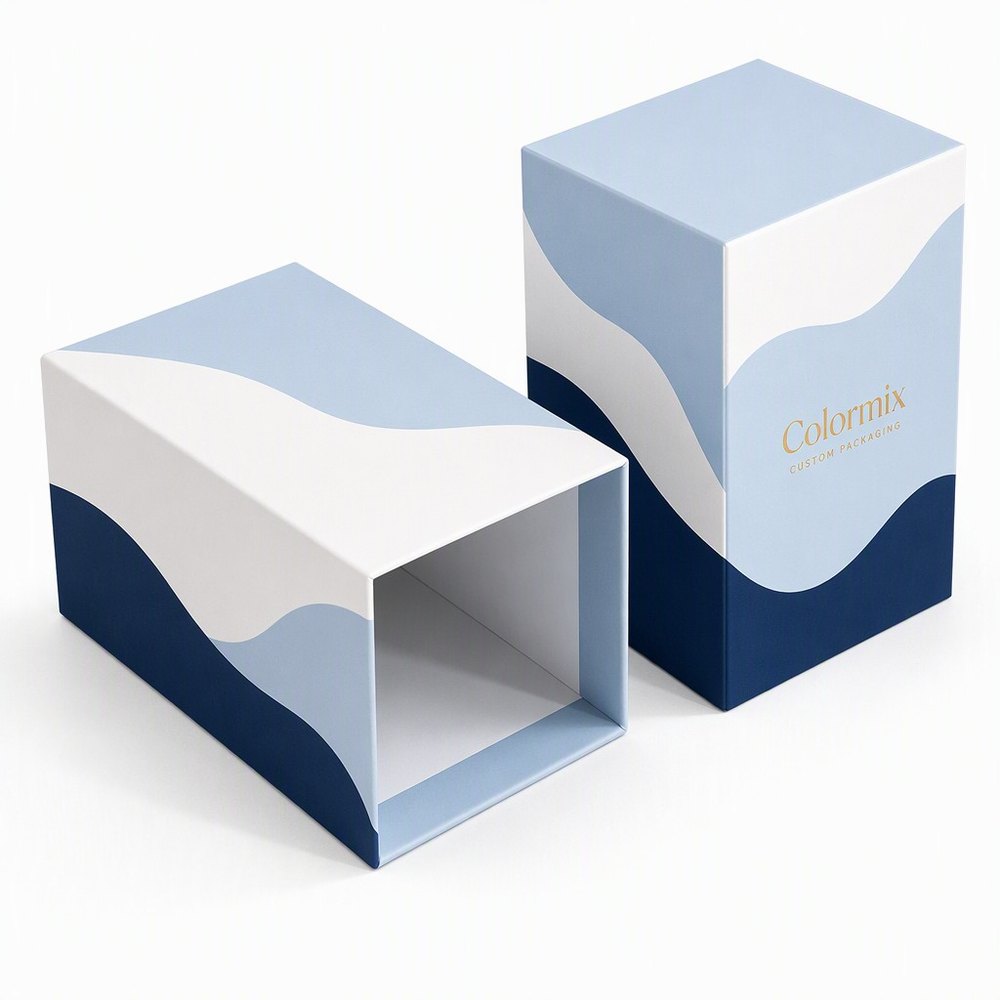
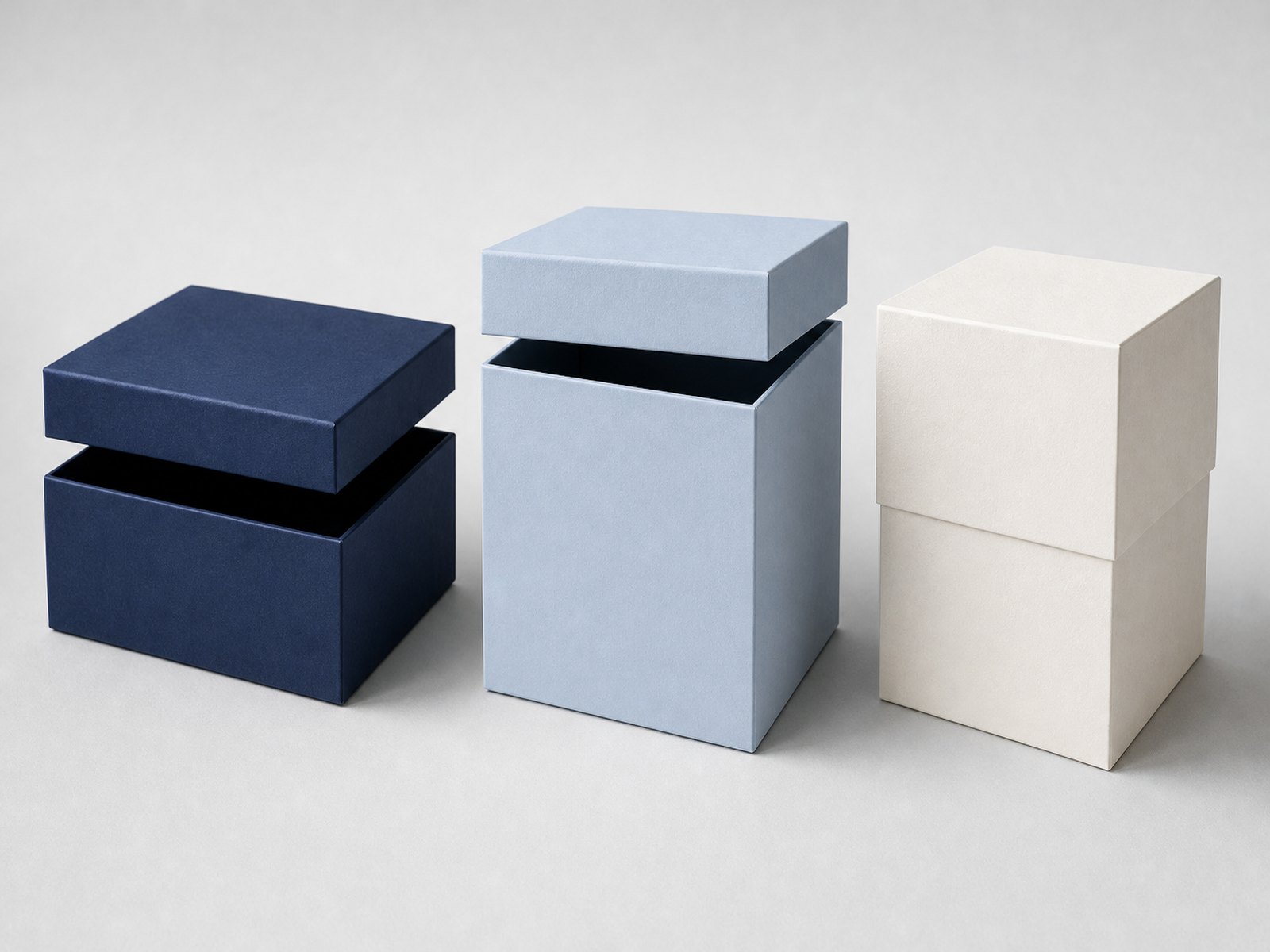
A lid and base box overlaps; a shoulder-neck box adds a neck inside the lid so the cover lands on a step and hides the seam; a telescoping box deepens the lid so it laps the base and adjusts the fit; a book-style box keeps the lid shallow for a flat, shelf-like presentation. That single measurement changes the dieline, the hand assembly time and the unit price far more than the printing does.
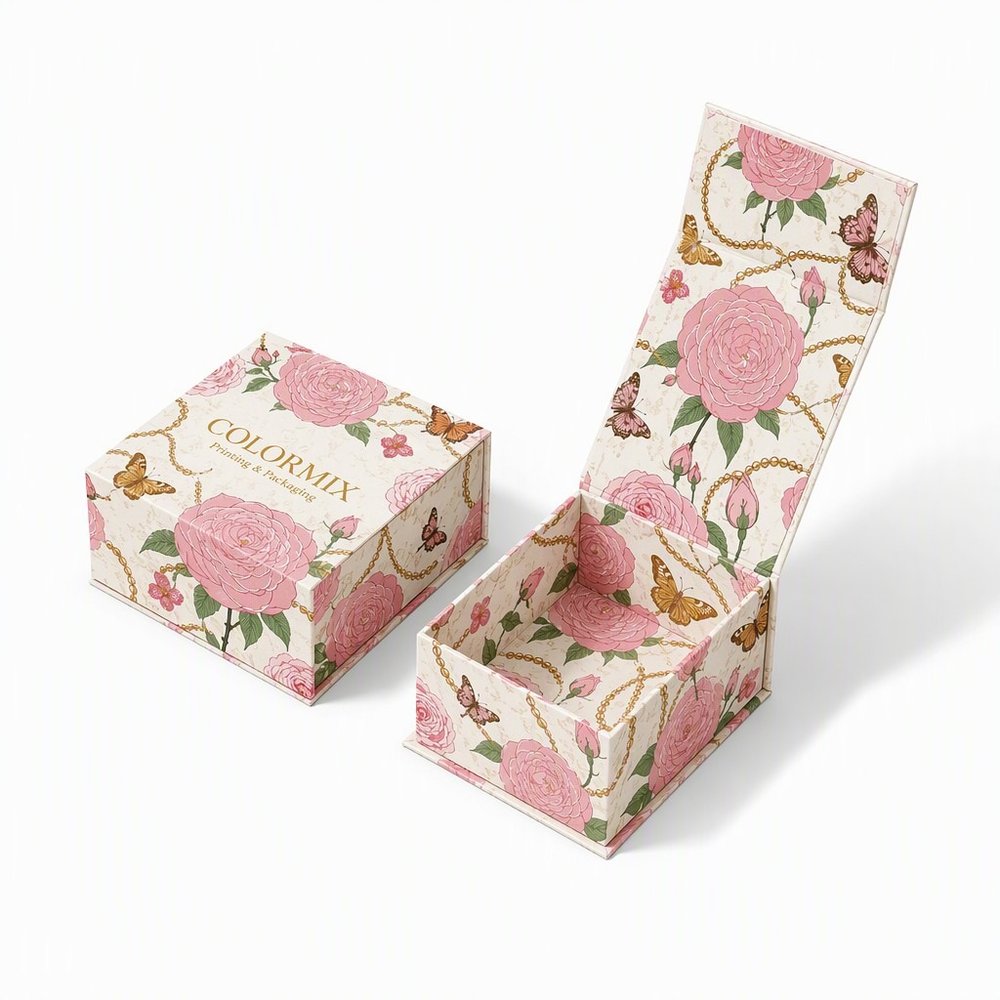
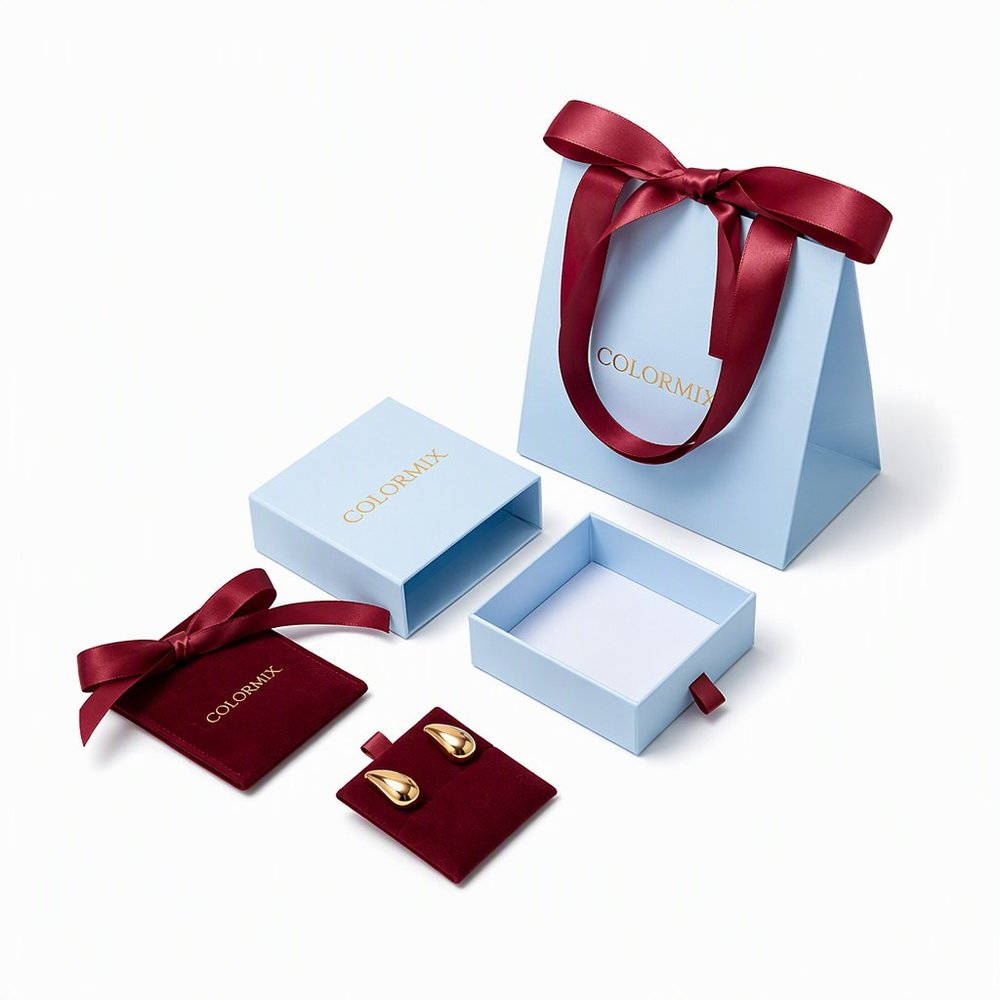
- Two-piece lid and base, shoulder-neck, telescoping, book-style and drawer boxes from one dieline library
- Set-up boxes built on 1.5 mm to 3.0 mm greyboard, wrapped in 157–200 gsm art or specialty paper
- Lid depth from a 20 mm book-style cover to a full telescoping lap, quoted per millimetre of assembly